
Industries
Restaurant Fire Safety
Protect restaurant staff, customers, and commercial kitchens with reliable fire alarm systems, fire suppression inspections, and fire extinguisher services designed for restaurants and food service facilities.
Book Now
Fire Protection for Restaurants and Commercial Kitchens
Protect Restaurants with Code-Compliant Fire Protection Systems
Restaurants operate in environments where cooking equipment, open flames, and high temperatures increase the potential for fire hazards. Commercial kitchens in particular require dependable life-safety systems that can detect fire conditions quickly and support rapid emergency response. Properly maintained and code-compliant fire protection systems help ensure early detection, clear emergency notification, and reliable fire suppression to protect restaurant staff, customers, and property.
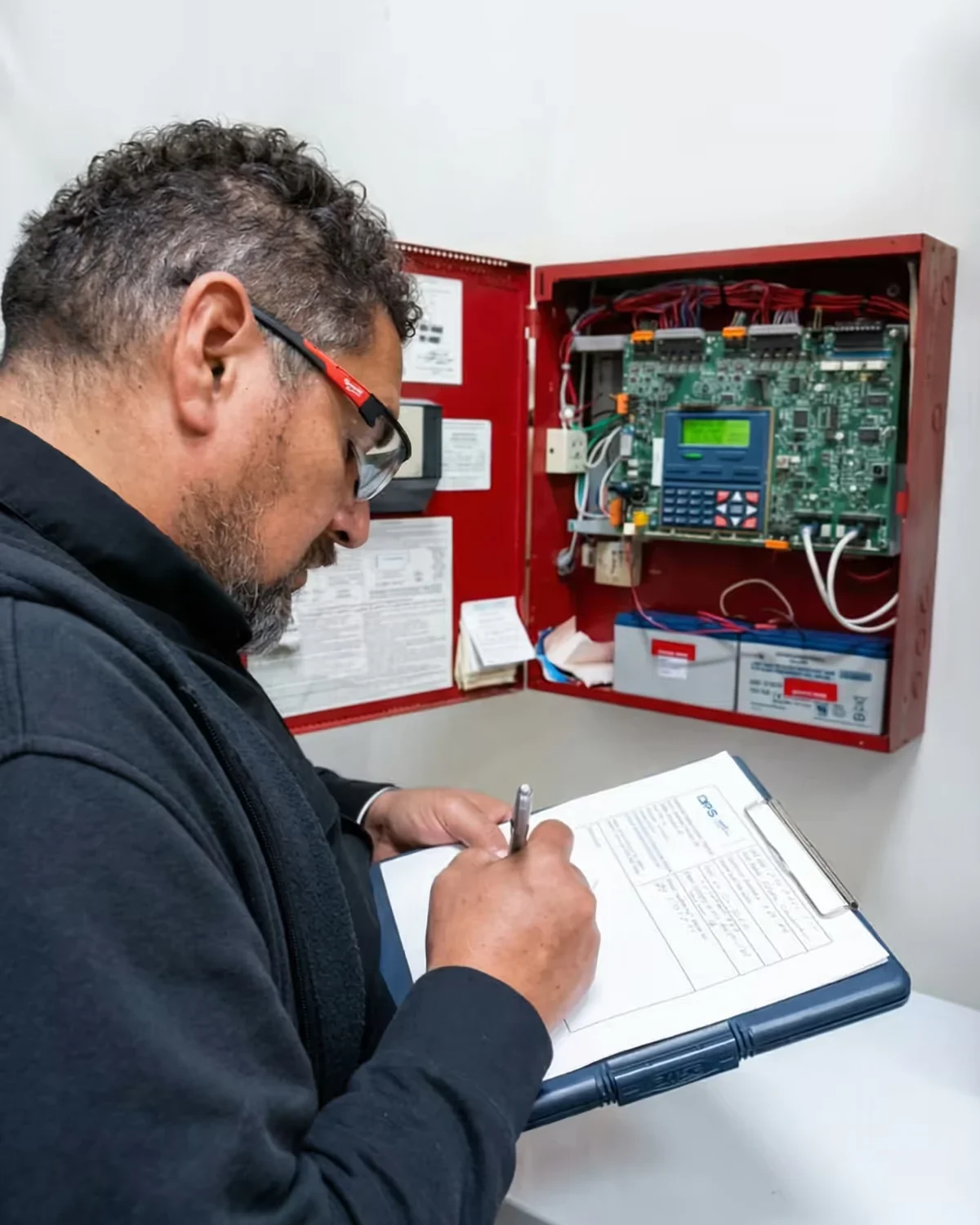
Restaurant Fire Protection Services
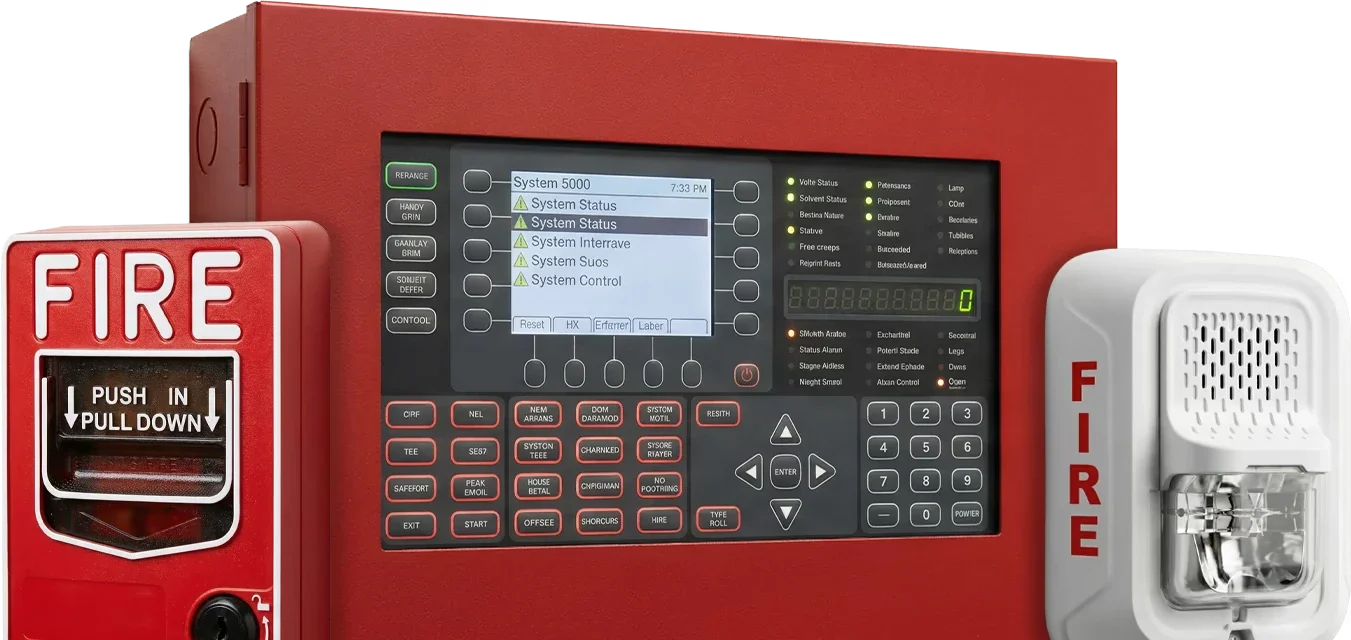
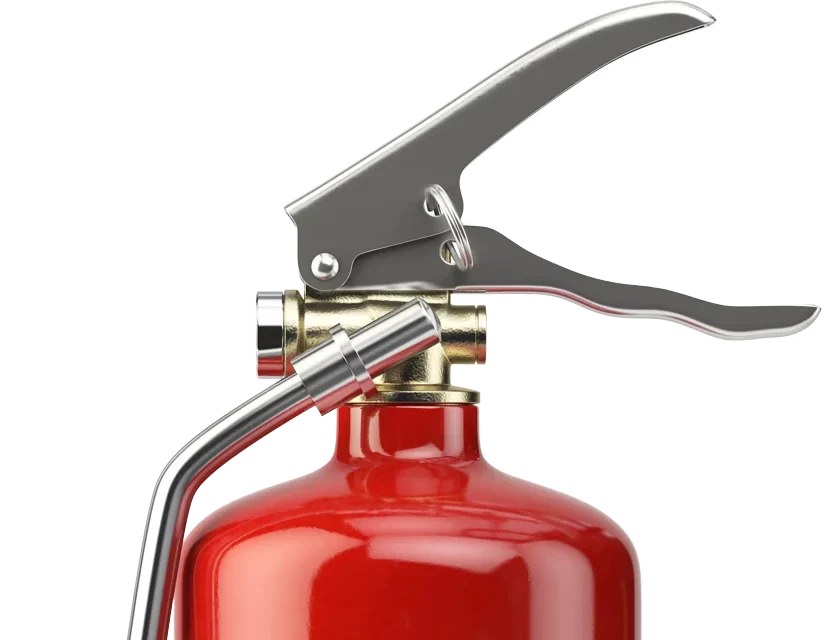
Why Restaurant Owners Choose Extinmarc
- Certified fire alarm technicians with commercial experience
- Code-compliant installation, inspection, and maintenance services
- Fast scheduling and responsive service support
- Decades of industry experience
- Reliable long-term support for your life-safety systems
Restaurant Fire Protection Questions
How do I find the correct service interval for my restaurant kitchen suppression system?
Identify the system manufacturer and model, then review its maintenance instructions and the requirements applicable to your kitchen. Keep the service record and next due date accessible to the manager.
For example, the referenced ANSUL R-102 manual specifies six-month maintenance, or earlier when conditions require it. Confirm the instructions for your installed system instead of applying that example to every suppression product.
Can I add a fryer or move cooking equipment under an existing suppression hood?
Have the proposed appliance lineup reviewed before making the change. Existing nozzles and detection arrangements are designed for particular hazards and coverage; being physically under the hood is not proof that an added appliance is protected.
A qualified system specialist should determine the necessary changes and approvals. Do not relocate nozzles or modify the release system yourself.
Does my hood-cleaning receipt prove that the restaurant suppression system was serviced?
No. Cleaning the exhaust system and inspecting or maintaining fire suppression equipment are separate work scopes. Keep the records for each and confirm what the contractor actually checked.
Ask for a suppression service report identifying the system, work completed and any deficiencies. A clean hood does not by itself demonstrate that the release, detection and discharge components have been assessed.
Which extinguishers should I have in the kitchen and the restaurant dining area?
Have the cooking hazards and the other restaurant areas assessed separately. Cooking oils and fats can require Class K protection, while dining, storage and electrical areas may call for different extinguisher ratings and placement.
The installed suppression system does not remove the need to assess portable extinguishers. Confirm the equipment selection and locations for the actual kitchen and building.
What should I check before opening a restaurant in a space with an existing fire system?
Obtain the prior service reports and compare the installed system with your proposed cooking equipment and floor plan. Have outstanding deficiencies and missing information reviewed before relying on the previous setup.
Confirm occupancy, ownership-change and other approval requirements with the local authorities. Previous operation as a restaurant does not establish approval for your new business or appliance lineup.