
Locations We Serve
Fire Protection Services in Katy, TX
Keep fire protection part of your Katy business’s everyday equipment care. Explore fire alarm installation, testing and repair, extinguisher services, and inspections for installed suppression systems.
Get In Touch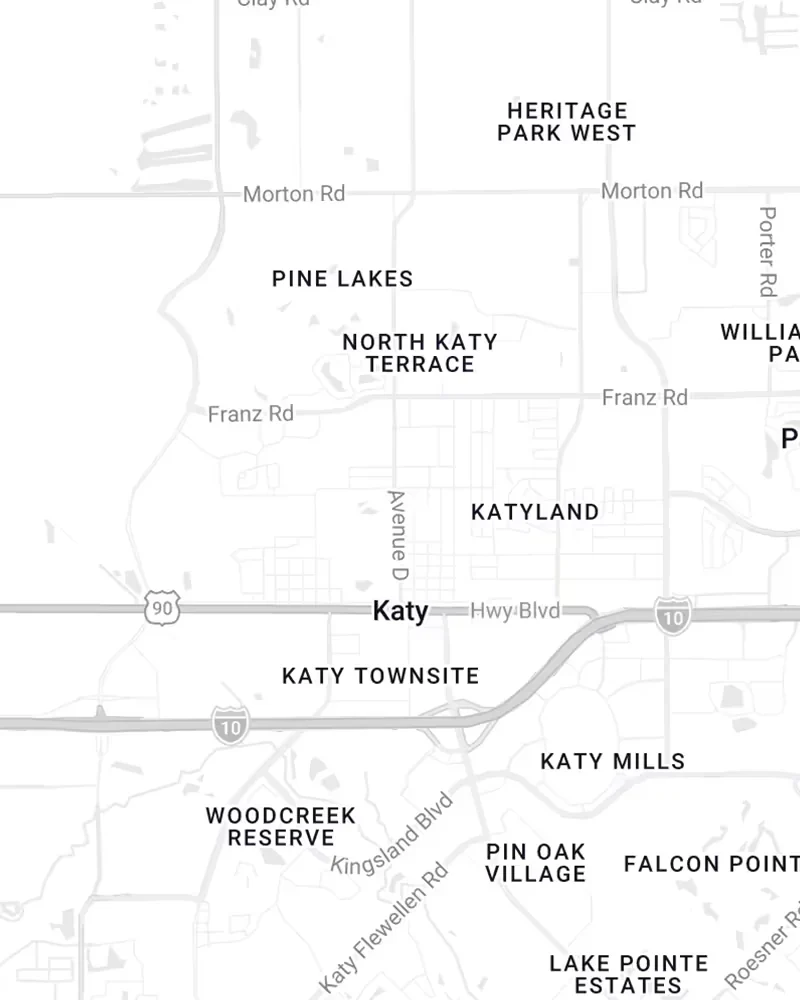
Supporting Fire Safety Across Katy Businesses
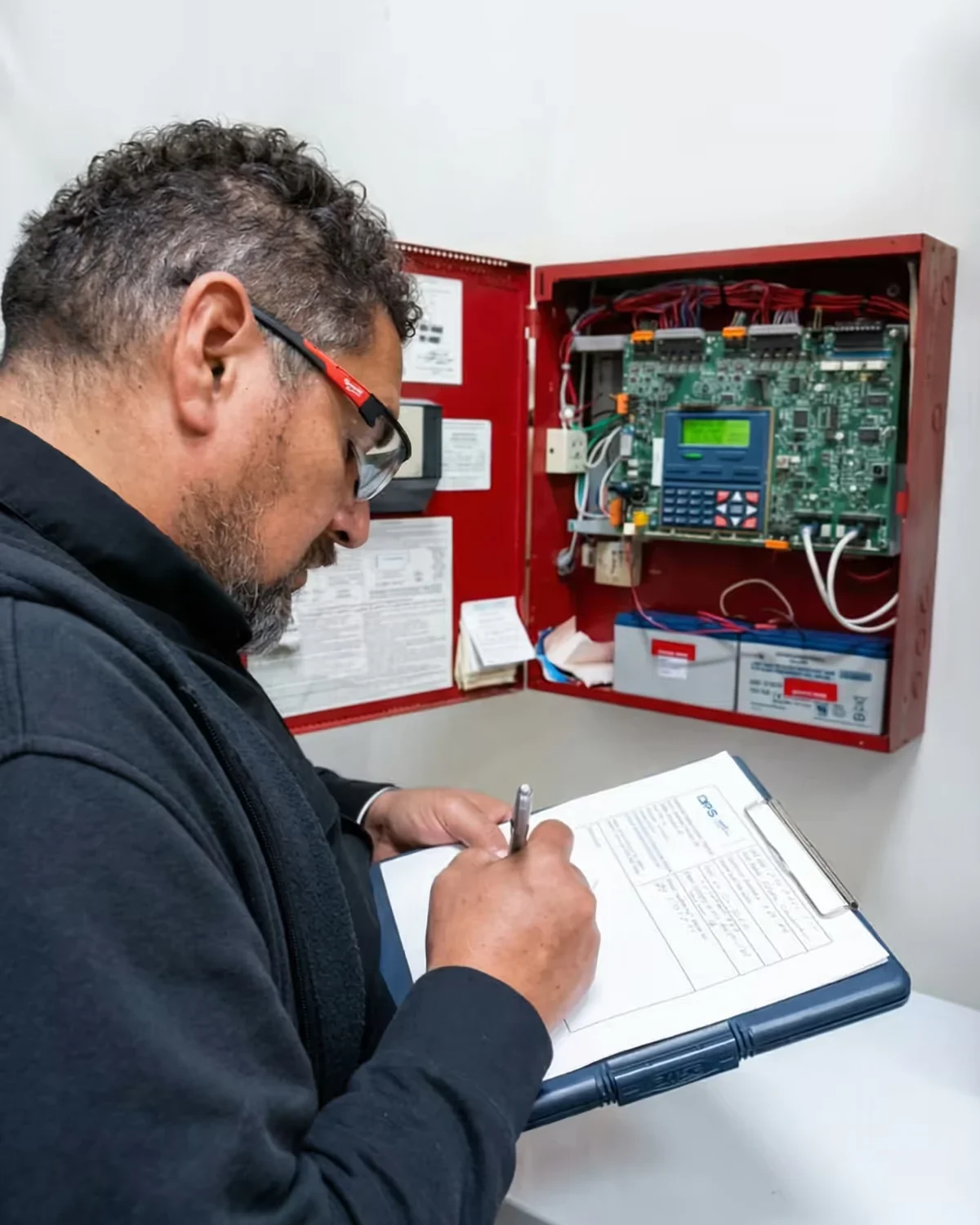
Equipment care supports the everyday fire safety needs of a commercial property. An alarm fault, an extinguisher needing recharge or a scheduled suppression inspection can arise at any stage of operating a property. Extinmarc serves Katy-area businesses with fire protection services based on the equipment and concerns at each facility.
Our service range includes alarm installation and ongoing service, portable extinguisher care and suppression inspections. Tell us what you need whether you manage a longstanding operation or are planning a change. For opening-related questions, the City’s starting a business guidance is an additional resource; confirm the responsible authority for the full property address.
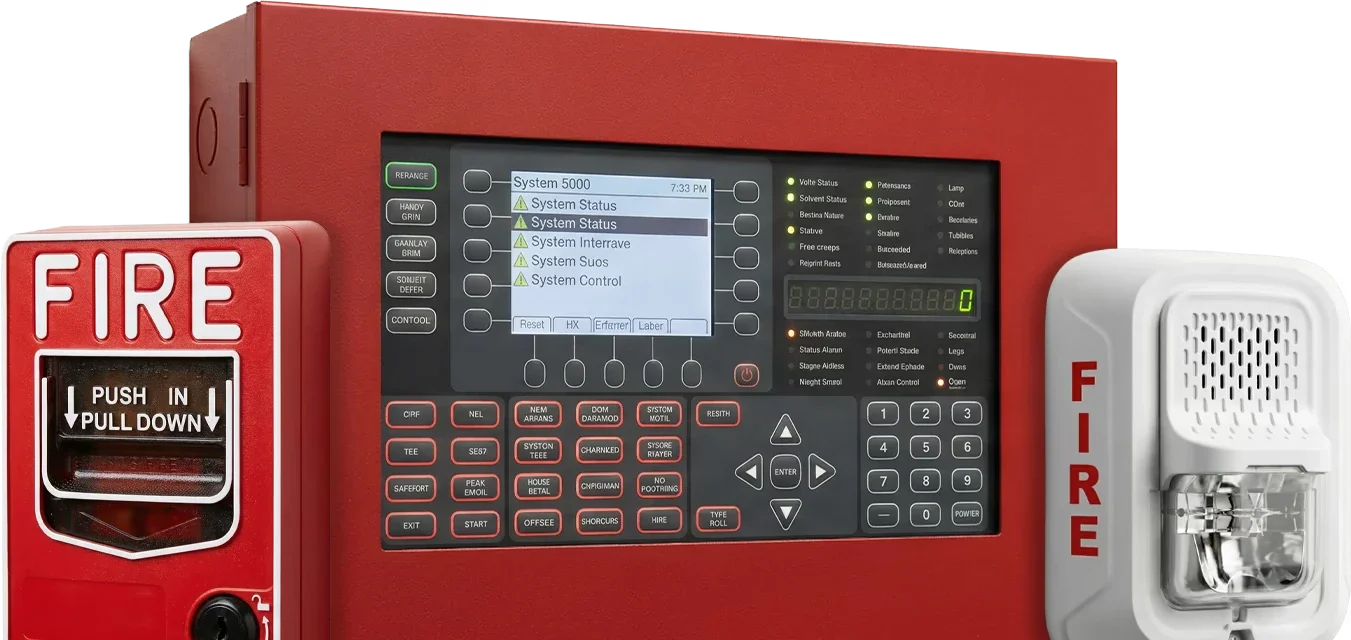
Our Fire Protection Services in Katy

Industries We Serve
in Katy
Different business activities call for different fire protection considerations. Explore the industry guidance that fits your Katy-area operation, from daily equipment care to changes in how the premises are used:
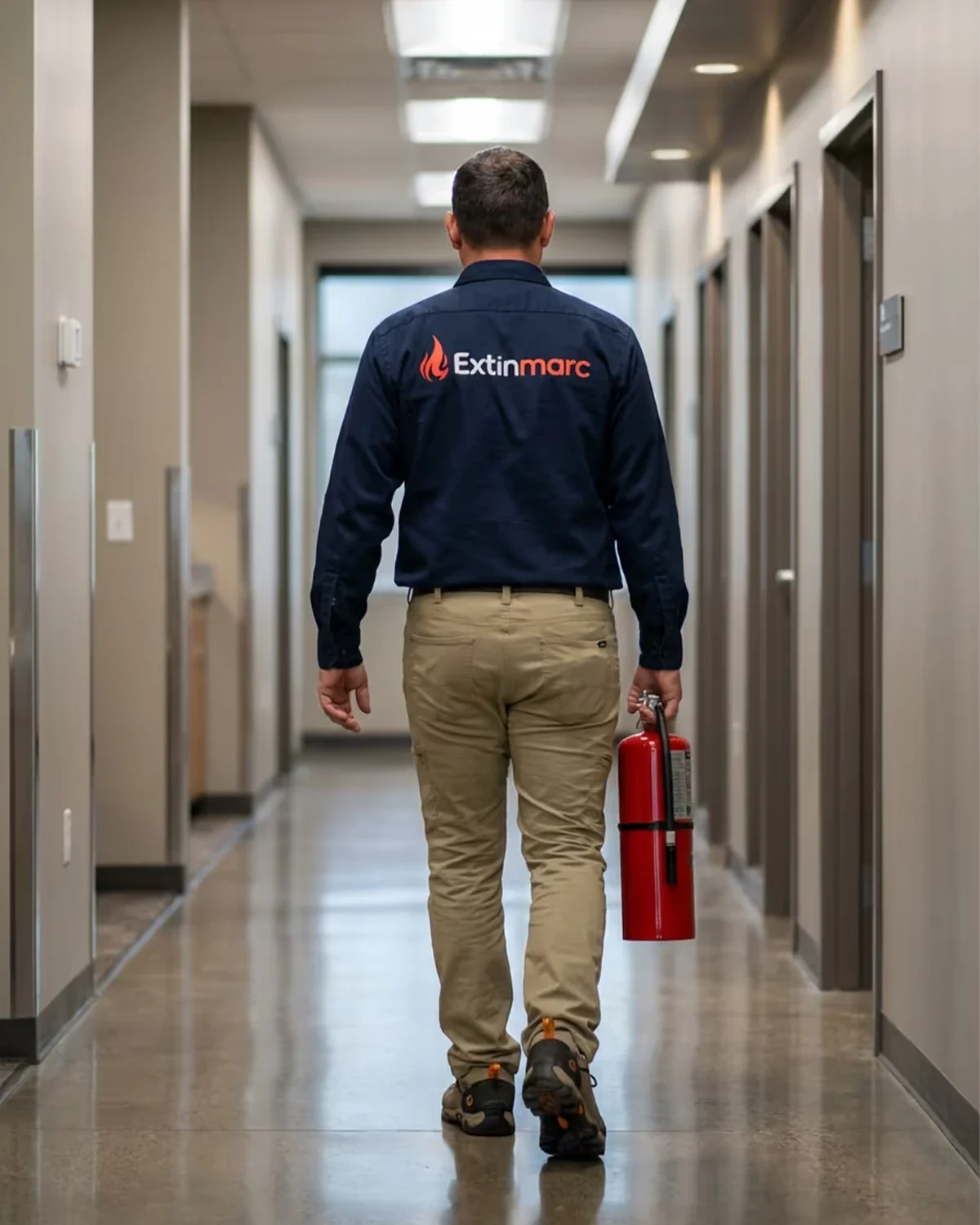
Why Katy Businesses Choose Extinmarc
- Alarm service for established operations and new equipment needs
- Portable extinguisher inspection, maintenance and recharge
- Suppression inspections for commercial equipment
- Maintenance and repair options for identified alarm concerns
- Fire protection care based on the premises you operate
Katy Fire Protection Questions
Is every business with a Katy address inspected by the City of Katy Fire Marshal?
No. First verify city limits and the authority responsible for the actual property. The Katy postal area and municipal boundaries should not be treated as interchangeable.
Use the City’s address verification guidance and confirm the full address with the appropriate office. Outside city limits, establish the county and responsible authority before following a municipal inspection or permit checklist.
Should I have a Katy commercial space checked before signing the lease?
Yes. The City of Katy recommends a preliminary walkthrough before a lease is signed to identify building and fire code issues. Ask the City about that process for a property within its jurisdiction.
Also request existing occupancy and fire equipment records from the owner. Understanding potential corrections before leasing helps you plan responsibilities, service scope and opening arrangements.
Does changing a Katy business name or ownership require a new occupancy review?
The City of Katy lists changes in business name or ownership among the situations requiring its Certificate of Occupancy process, alongside new businesses, relocations and expansions.
Confirm the application and inspections for your premises with Building and Permits. Do not rely only on the former operator’s certificate or assume that no equipment changes means no City review.
What should a Katy daycare or assisted living facility prepare before its annual fire inspection?
The City of Katy asks licensed facilities to have current inspections for their installed fire protection systems before the official annual life safety inspection. Review each applicable system and any unresolved deficiencies.
Have reports available and confirm emergency lighting readiness and the current facility-specific checklist. Contractor equipment service and the Fire Marshal’s premises inspection serve different purposes; arrange both where required.
Must I replace a Katy property’s entire fire alarm if its old plans or test certificates are missing?
Missing records do not automatically establish that the entire system must be replaced. Ask a qualified alarm provider to assess the equipment and available documentation, and confirm what the local authority requires.
Texas State Fire Marshal guidance distinguishes missing historical documents from functional noncompliance, while recognizing local documentation requirements. Preserve any recovered plans, new test reports and the authority’s direction for future inspections.