
Fire Protection Services
Fire Suppression System
Protect your business with certified fire suppression system inspection services designed to ensure compliance, operational readiness, and full life-safety protection.
Book Now
Commercial Fire Suppression System
Certified Fire Suppression System Inspectors
Fire suppression systems are critical for controlling and extinguishing fires before they spread. Without routine fire suppression system inspection, equipment may fail during an emergency or result in costly violations. Extinmarc provides thorough inspection services aligned with NFPA standards and local fire codes.
Our certified inspectors evaluate system components, identify deficiencies, and provide clear documentation to ensure your facility remains compliant, protected, and prepared for fire marshal and insurance inspections.
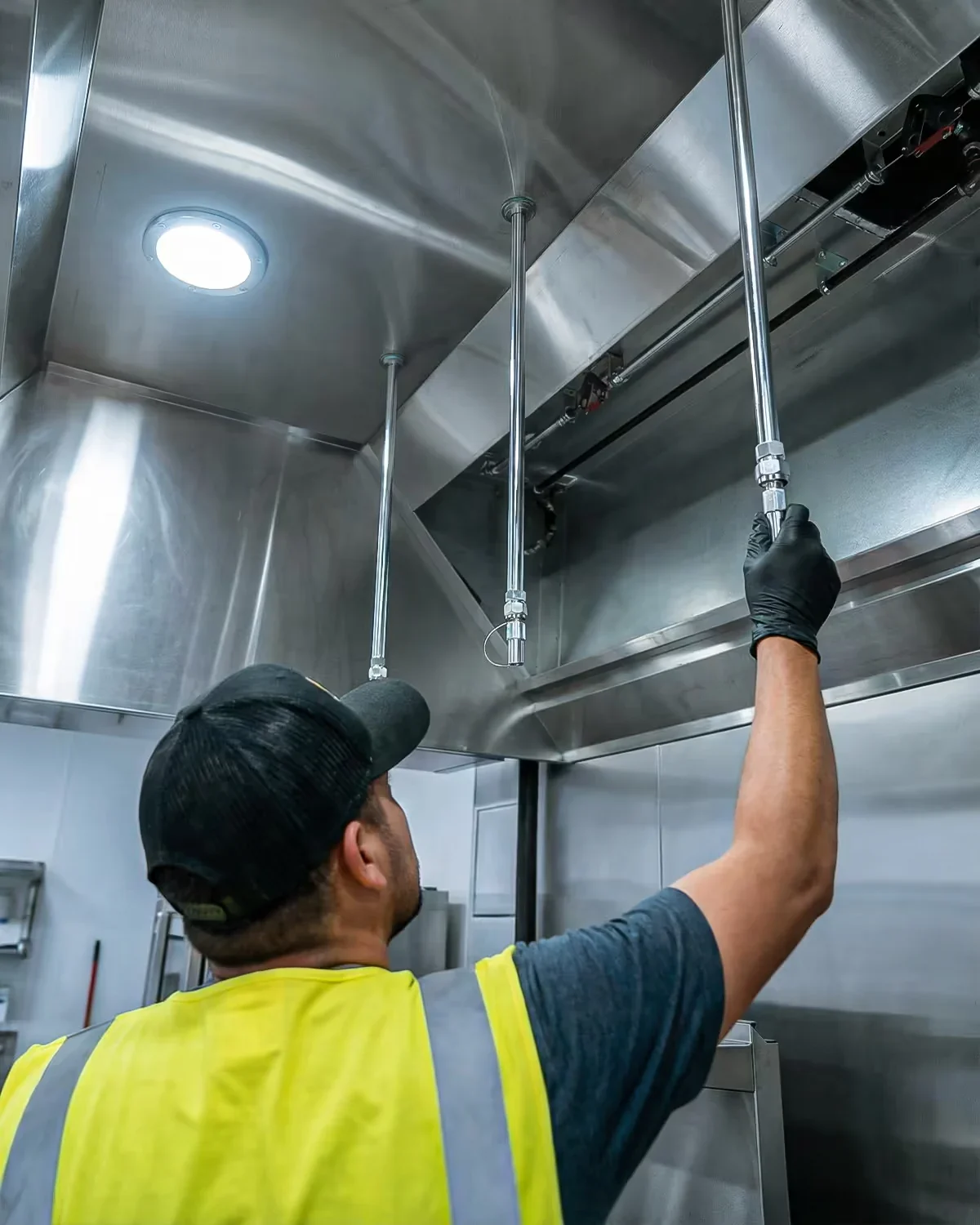
Fire Suppression System Services

Fire Suppression Inspection
Extinmarc provides professional fire suppression system inspection services for commercial kitchens, restaurants, and special hazard facilities, covering wet chemical, clean agent, dry chemical, and pre-engineered systems. Kitchen systems typically require semi-annual inspections under NFPA 17A and NFPA 96, while other systems follow applicable NFPA and manufacturer guidelines.
Our inspections verify activation readiness, system integrity, and compliance documentation to ensure reliable performance and successful fire marshal or insurance reviews.
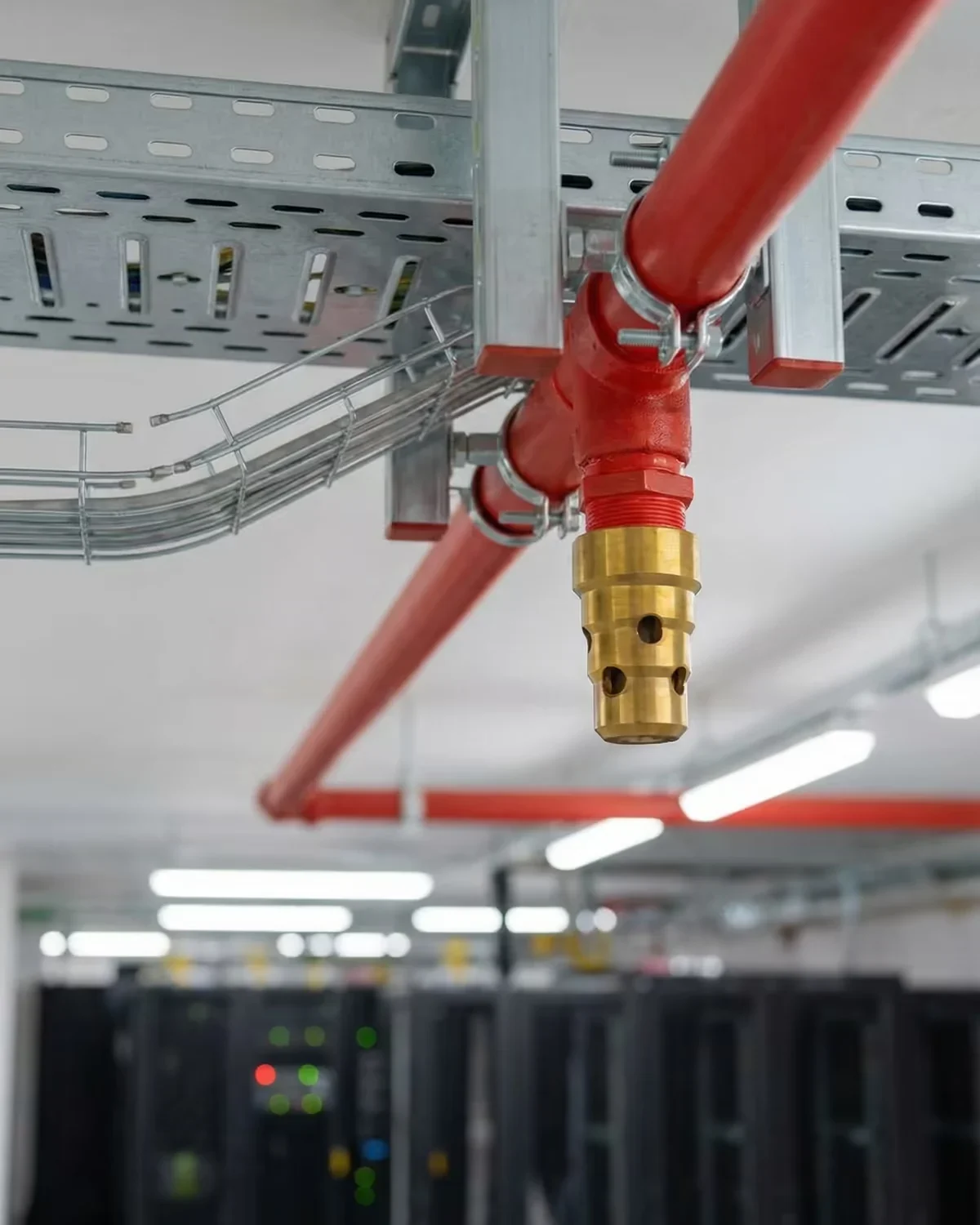
Choose Extinmarc for Fire Suppression Inspections
- Certified fire suppression inspectors
- Experience with commercial and industrial systems
- Code-compliant inspection procedures
- Detailed documentation and reporting
- Reliable scheduling and compliance support
Fire Suppression Questions
How often does a commercial kitchen suppression system need service?
Many restaurant wet-chemical systems, including ANSUL R-102, follow a six-month professional maintenance schedule. Confirm the installed system instructions and applicable local requirements; conditions can require earlier attention.
Do not apply a kitchen-system interval to every suppression system. Keep a schedule and records for the equipment actually installed.
Is hood cleaning the same as a fire suppression system inspection?
No. Hood and exhaust cleaning addresses grease buildup. Suppression inspection and maintenance address the fire protection system, including its detection, release mechanism, agent supply and protected equipment.
They are separate work scopes. Confirm that both applicable programs are addressed rather than assuming a cleaning visit also covers suppression service.
Should suppression protection be reviewed if I move or add cooking equipment?
Yes. Suppression coverage is designed for a particular appliance arrangement or protected zone. Adding or moving cooking equipment can change whether the existing protection is suitable.
Have a qualified system professional review the arrangement and confirm any design, permit or testing requirements before using the changed setup. Do not reposition nozzles yourself.
Do I still need a Class K extinguisher if my kitchen has automatic suppression?
Automatic suppression does not replace the portable Class K backup required for the applicable commercial cooking hazard. Texas guidance calls for checking that the required backup extinguisher is correctly installed and suitable for Class K fires.
Confirm the equipment and placement for your kitchen with a qualified provider and the local authority.
What should a kitchen suppression inspection check besides the cylinder?
The review depends on the installed system. It can include detection and release components, discharge piping and nozzles, appliance coverage, manual activation, and applicable fuel or power shutoff interfaces.
The report should describe the work performed and any deficiencies. A cylinder check alone does not address every part of the system; inspection and testing should follow the relevant instructions and requirements.