
Locations We Serve
Fire Protection Services in League City, TX
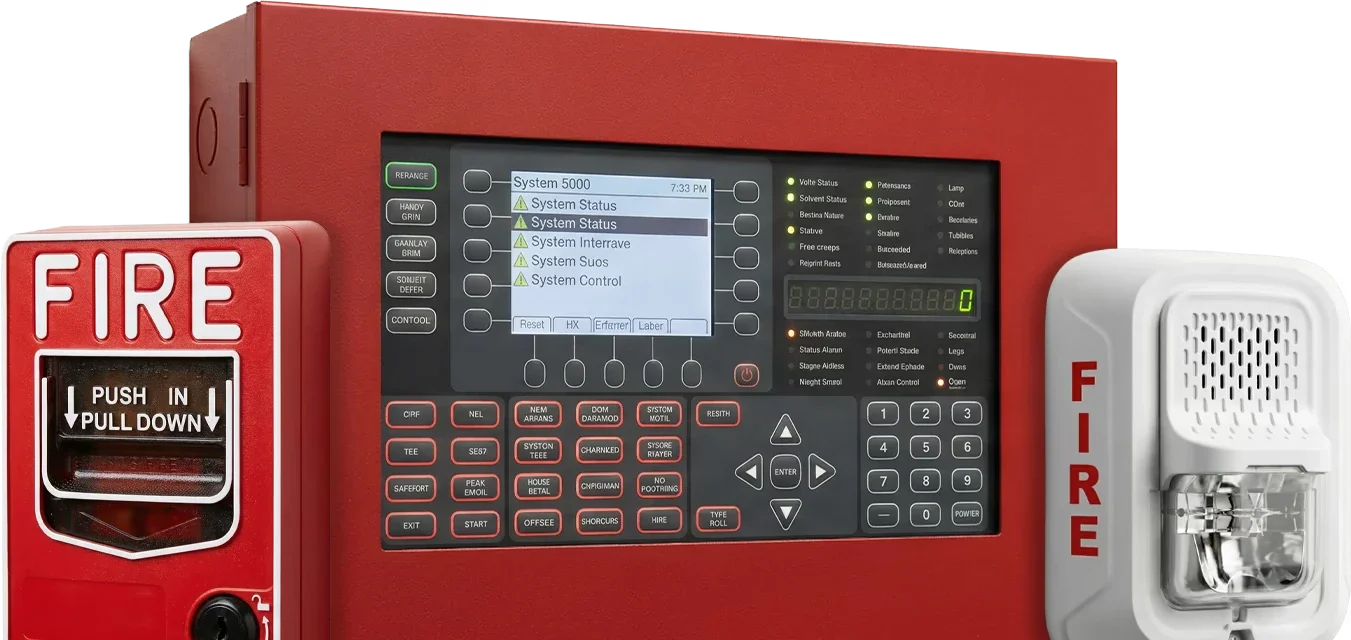
Care for the fire safety equipment your League City business depends on. Extinmarc offers alarm installation, inspection and maintenance, extinguisher services, and suppression system inspections.
Get In Touch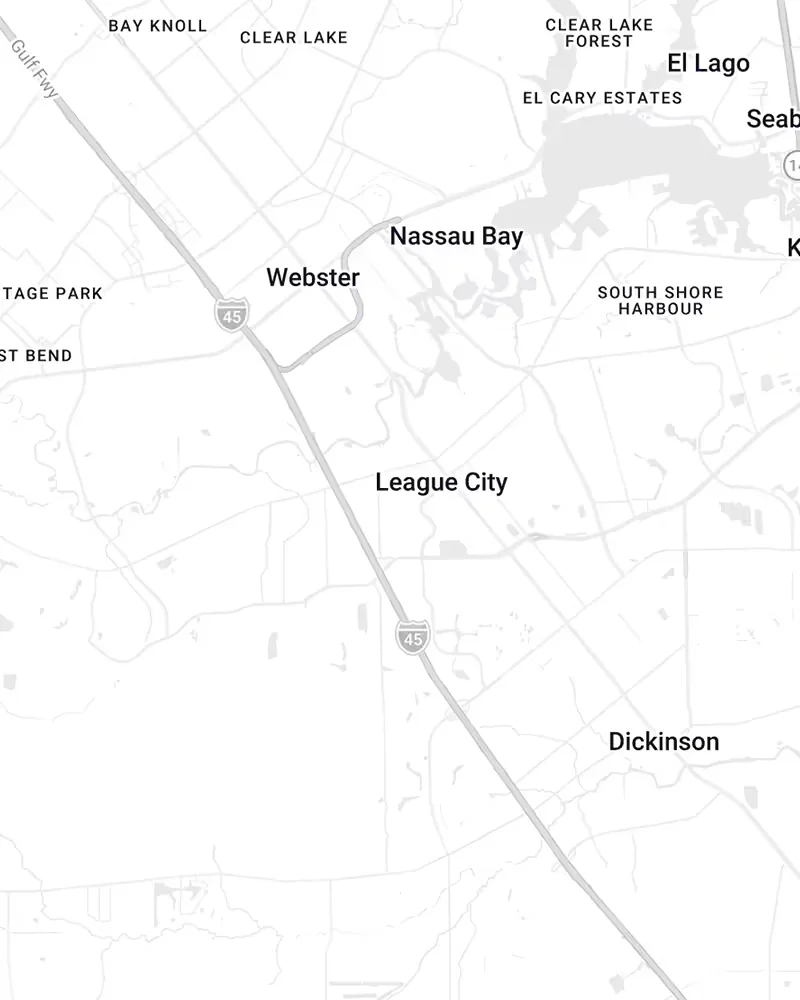
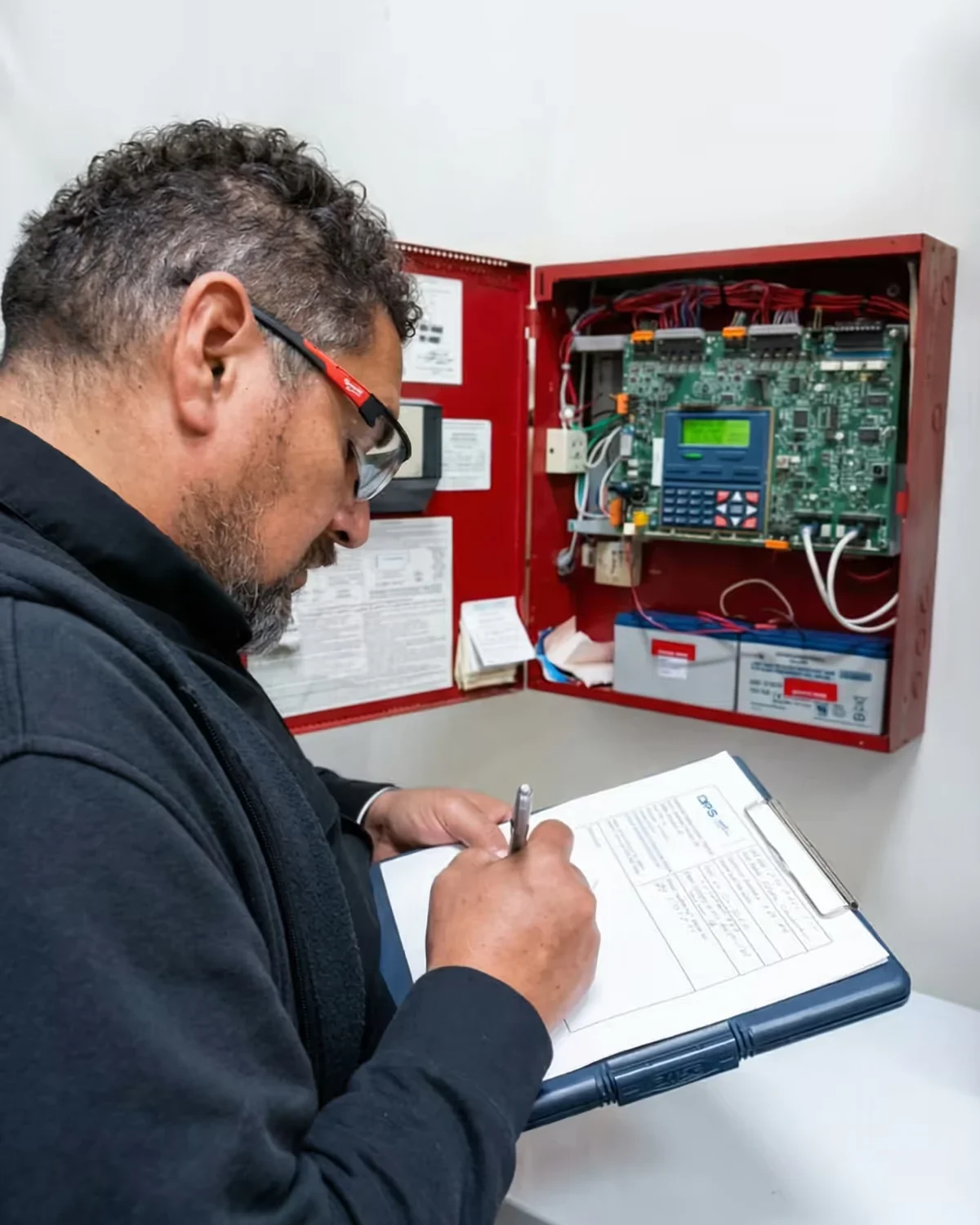
Fire Safety Services for League City Properties
Fire safety equipment needs ongoing attention during normal business operations. Equipment can need scheduled testing, routine maintenance or a response to a reported problem. Extinmarc provides League City property owners and managers with services for alarm systems, portable extinguishers and installed suppression equipment.
Choose the service that fits your current needs, from keeping existing equipment maintained to planning a new alarm installation. Information about the systems on site and previous findings helps establish the scope. For a new business or a change that needs City review, the League City business registration process provides additional guidance on approvals separate from equipment service.
Our Fire Protection Services in League City
Industries We Serve
in League City
Equipment access, occupancy and operating conditions vary between businesses. Find fire safety information suited to the industry your League City property serves:
Why League City Businesses Choose Extinmarc
- Alarm services for new installations and established facilities
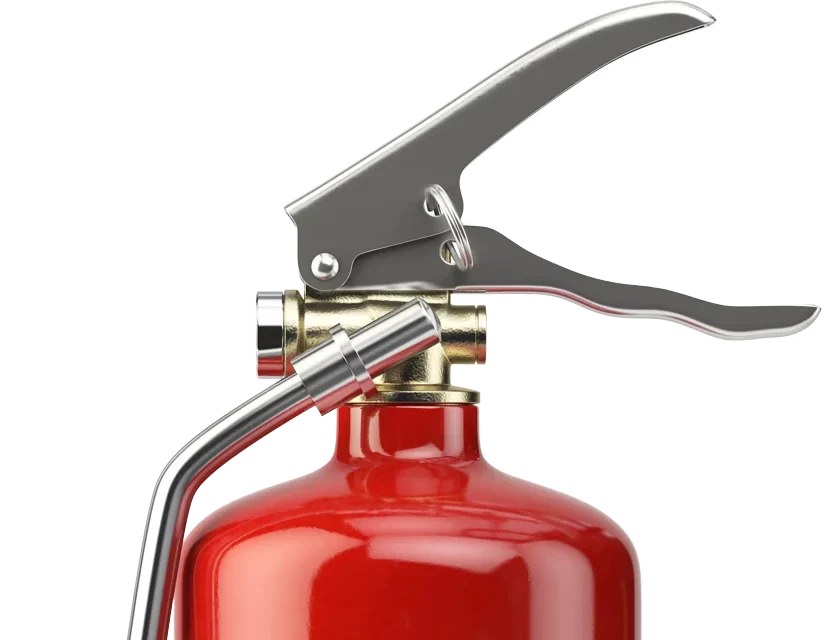
- Portable extinguisher care across customer and work areas
- Inspections for installed fire suppression equipment
- Maintenance and repair options beyond a single inspection visit
- Equipment service shaped around your facility’s current needs
League City Fire Protection Questions
Do I need business occupancy approval in League City if I am not doing construction?
League City’s business registration process applies to commercial spaces, including certain changes in business name, ownership, use or location. Having no construction planned does not by itself remove that process.
Confirm the application for your premises before opening. Check existing fire equipment and service records early so deficiencies can be addressed alongside the required City inspections.
Is passing the fire inspection enough to open my League City business?
The fire inspection is one part of League City’s business occupancy process. The City also identifies Building, Neighborhood Services and Pretreatment inspections before the Business Occupancy Certificate is issued.
Check the status of each required approval through the City’s permit process. A passing equipment service report or one completed departmental inspection is not the complete occupancy authorization.
What common fire safety issues should a League City business check before an inspection?
Start with clear exits, accessible extinguishers, visible address identification, unobstructed equipment areas and functioning exit signs and emergency lighting. Keep current system inspection and maintenance records available.
League City’s preparation guide identifies these recurring topics, but it is not an exhaustive checklist for every occupancy. Confirm current requirements for your business and use qualified service personnel for equipment work.
Can one annual fire inspection cover all the equipment at my League City property?
Do not treat an official premises inspection as a substitute for the inspection, testing and maintenance of each installed system. Build a calendar covering alarms, extinguishers and any suppression equipment separately.
Confirm the applicable tasks and intervals for each system with the service provider and inspecting authority. Retain reports and correction records; one visit or one current tag does not establish that every task is complete.
Does kitchen hood cleaning replace a fire suppression inspection in a League City restaurant?
No. Grease removal and servicing the suppression equipment address different hazards. Keep the cleaning record separate from the suppression inspection and maintenance report.
Identify the installed system and cooking appliances when arranging service. Ask the qualified provider to confirm the applicable equipment instructions and current requirements rather than assigning one schedule to every kitchen system.